Maastricht
Client
- Gemeente Maastricht
Surface
- 0,3 ha
Year of design
- 2020 - 2023
Year of fulfilment
- 2023 - 2025
Activities MTD
Public spaces, parks, and estates
Extra information
Competence
- public space
- parks and country estates
Five centuries of fortification history brought to life
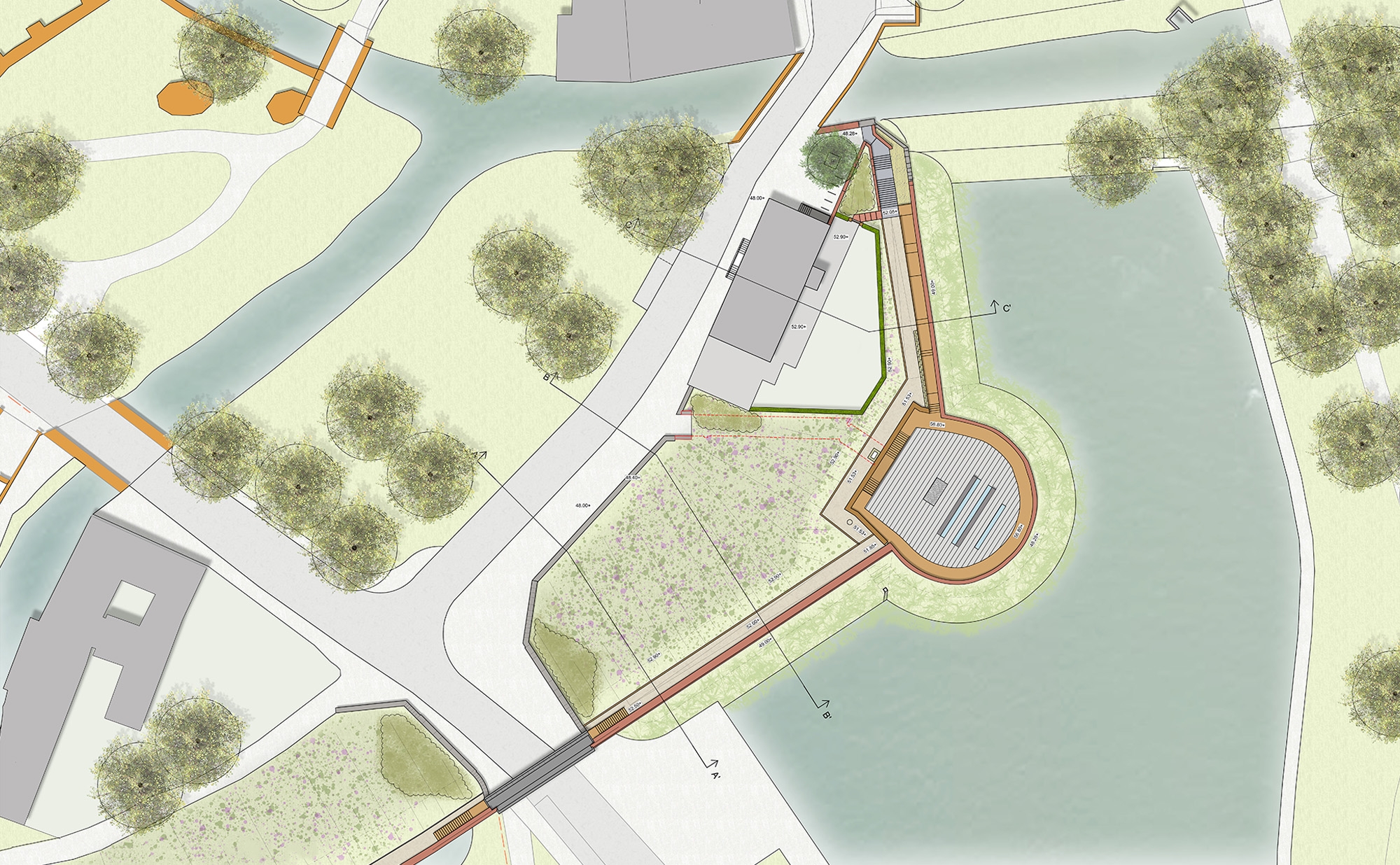
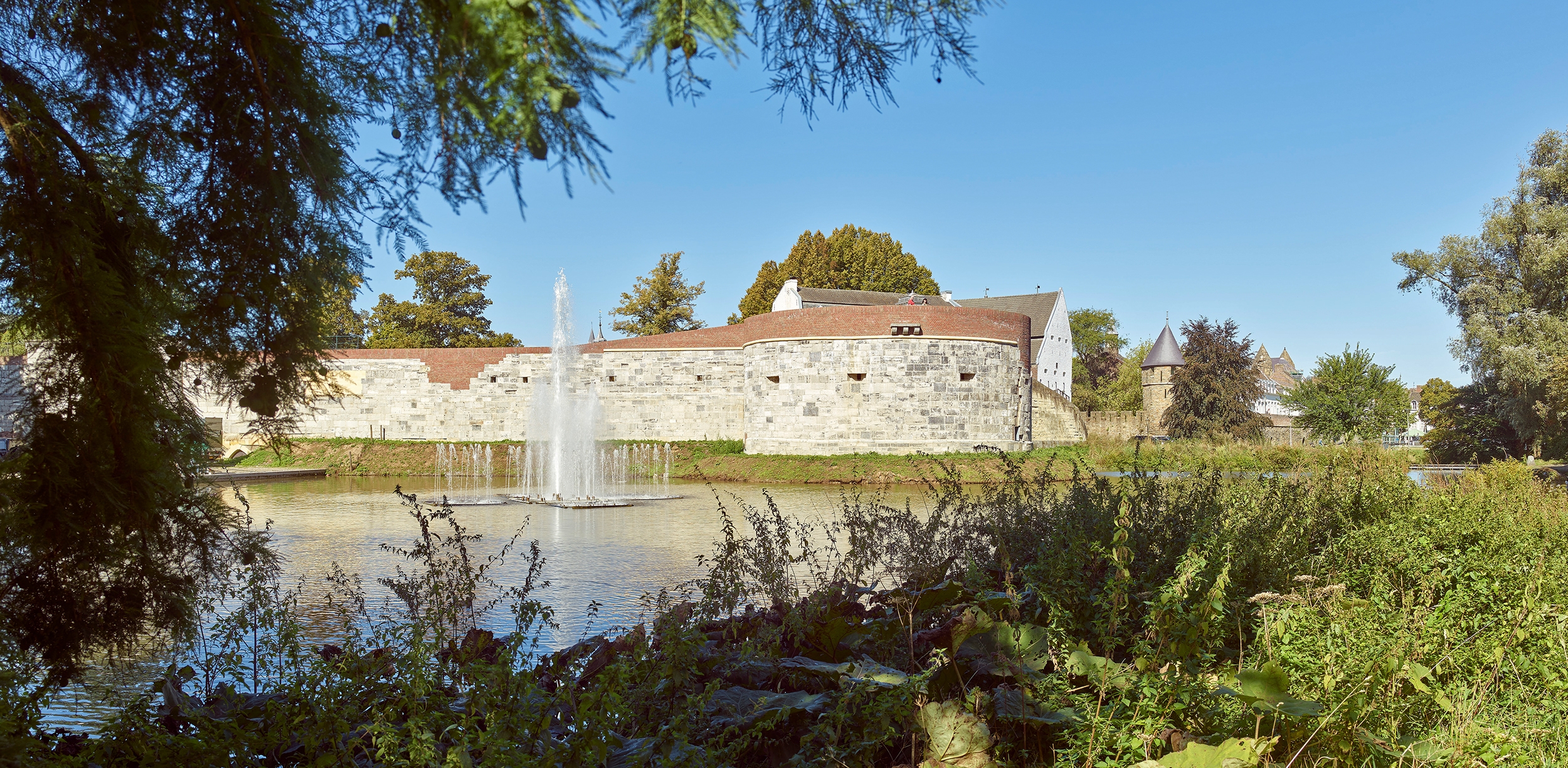
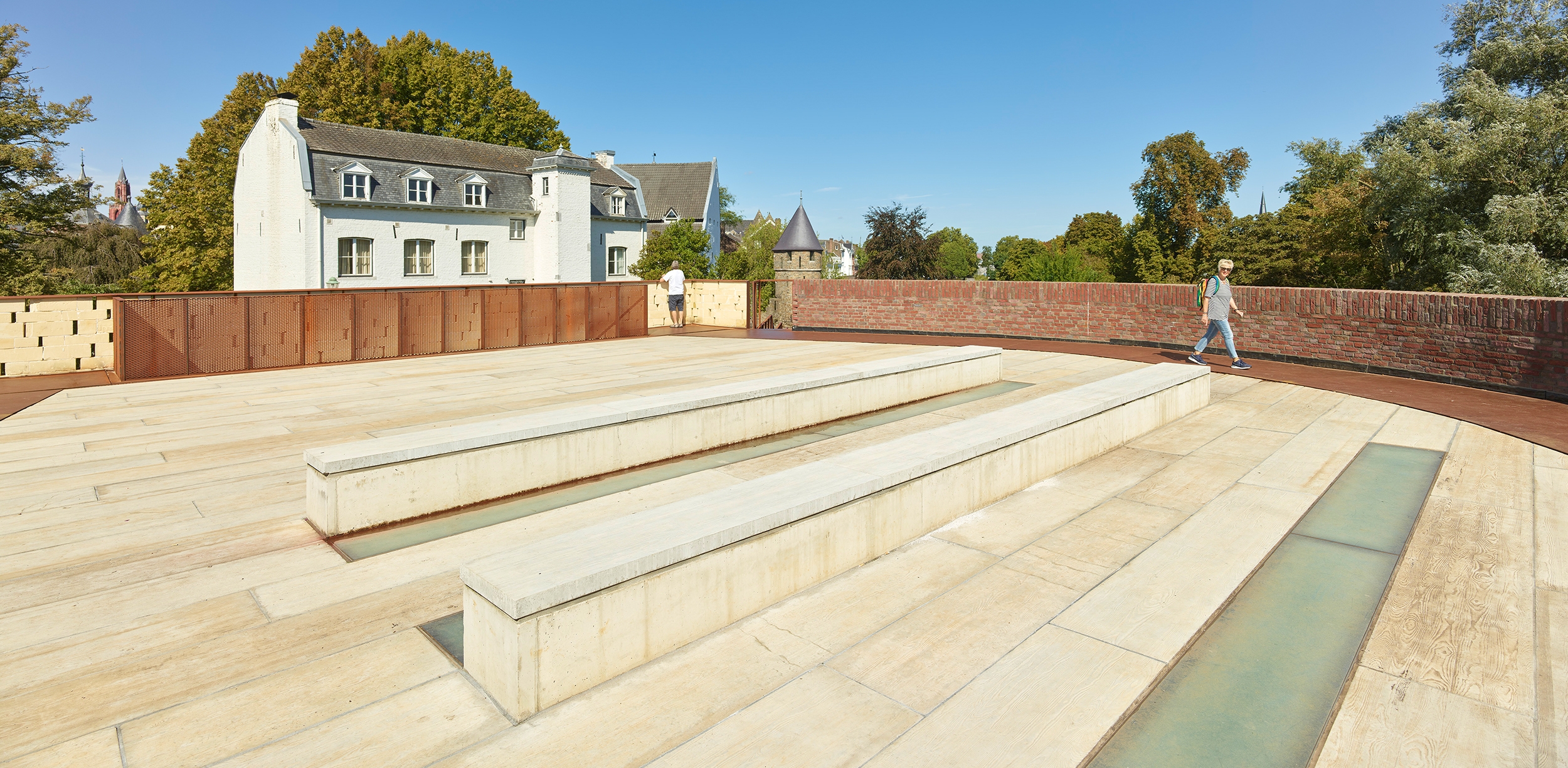
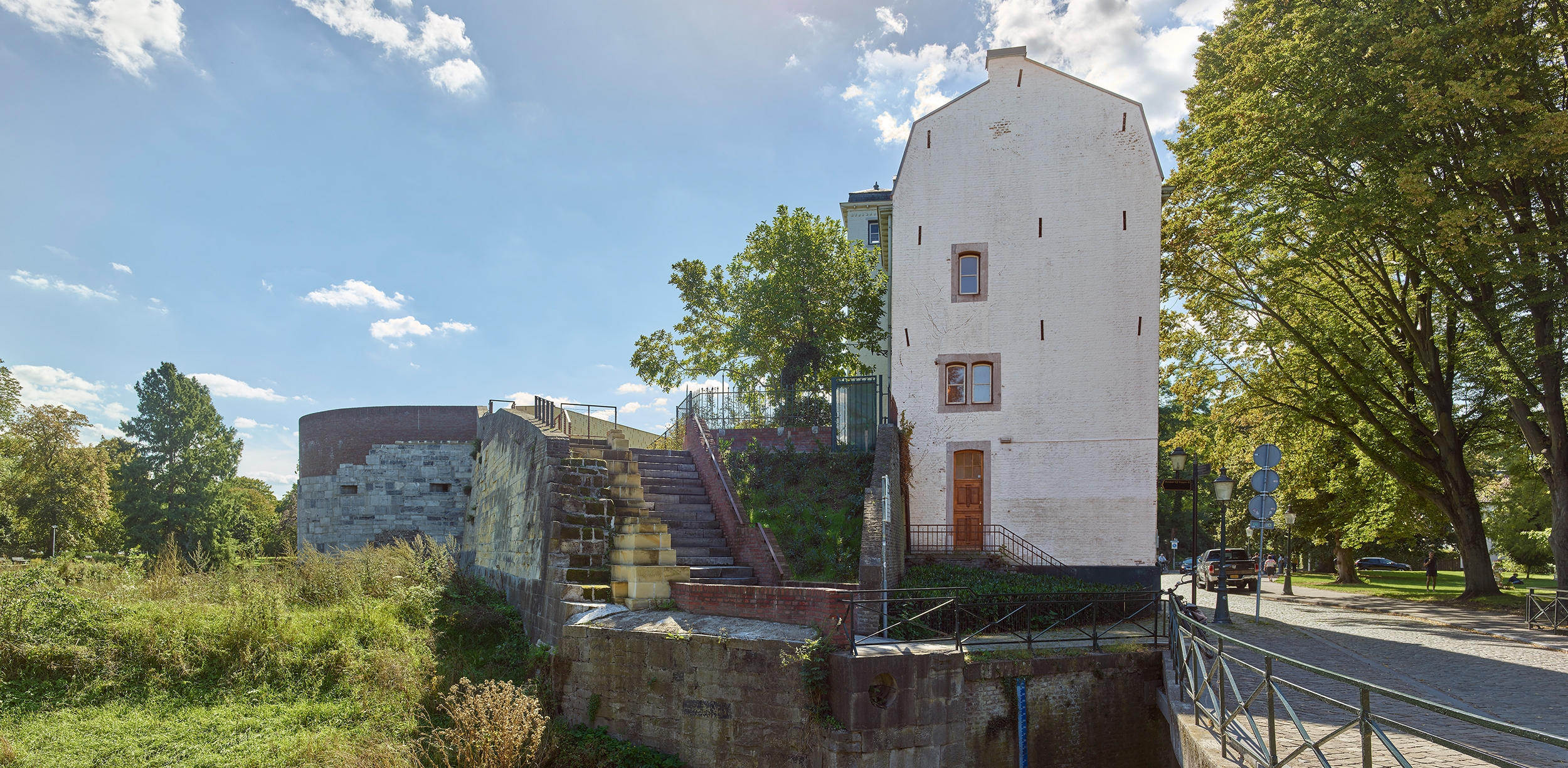
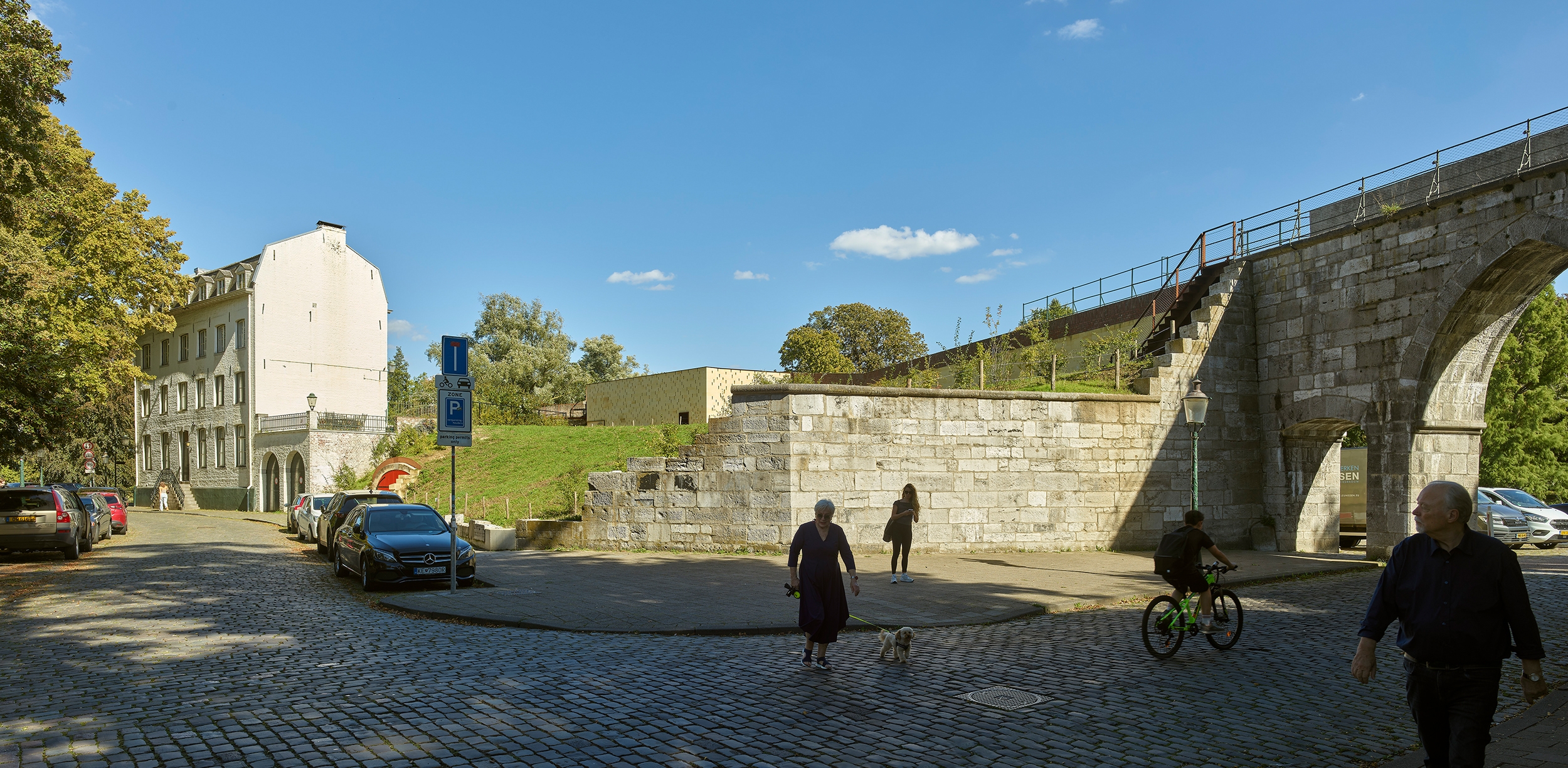
As a historic fortified city, Maastricht features a unique interplay between urban development, its fortifications, and the landscape formed by the Meuse and Jeker rivers. The 'Vijf Koppen' (Five Heads) bastion is a striking element of the sixteenth-century fortifications of the 'Nieuwstad' district, situated at the transition point between the historic city center and the City Park. The Vijf Koppen bastion, the city wall, and the adjacent earthen rampart hold significant cultural-historical value and tell the story of Maastricht as a fortified city.
The collapse of a section of the historic city wall prompted a project to not only restore the monument but also strengthen the spatial and landscape coherence of the fortifications. Commissioned by the Municipality of Maastricht, MTD Landscape Architects and HVN Architects developed an integrated restoration and landscaping plan that combines the preservation of cultural-historical values with a contemporary design.
Historic structures as the basis for a contemporary design
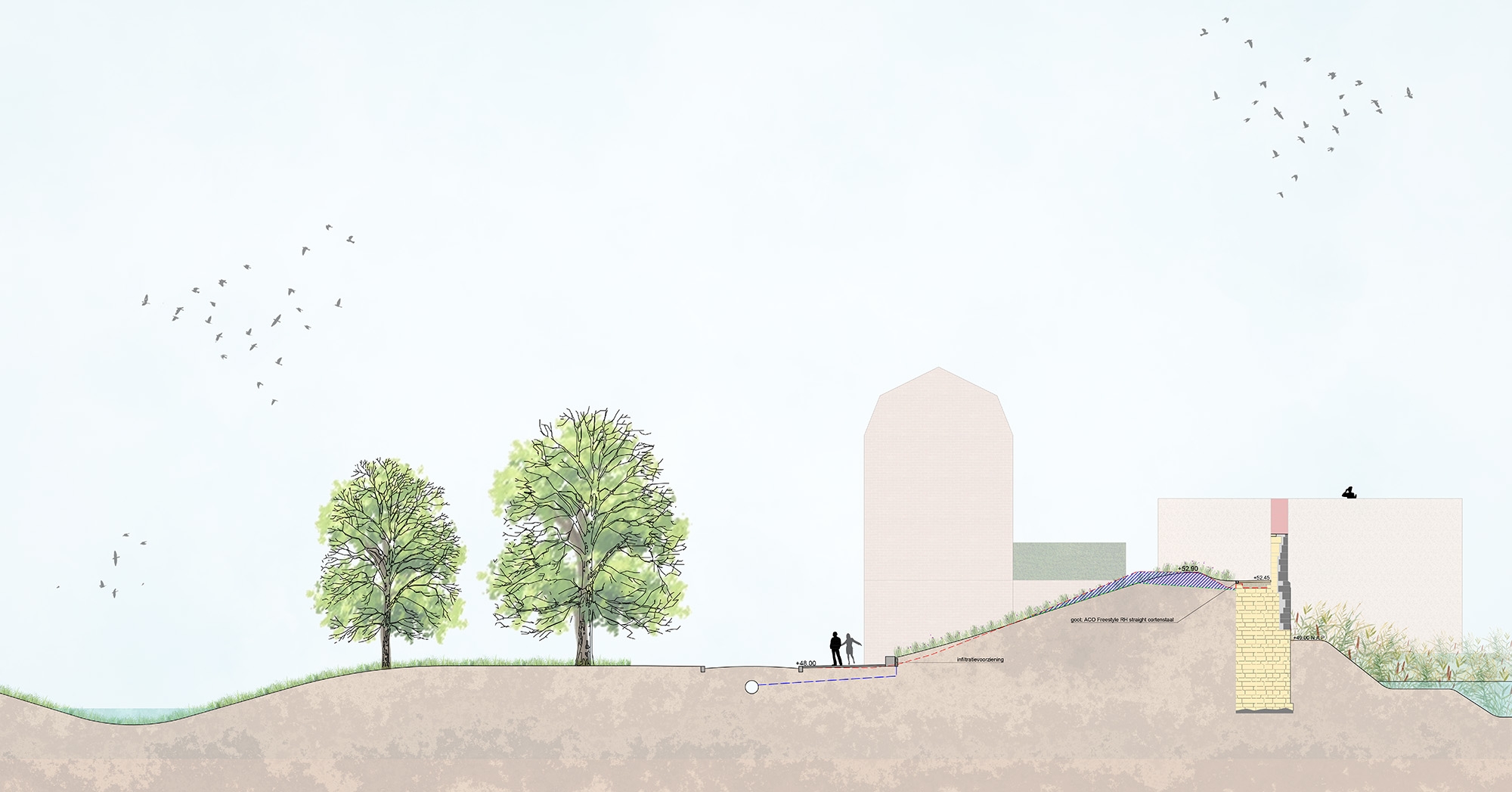
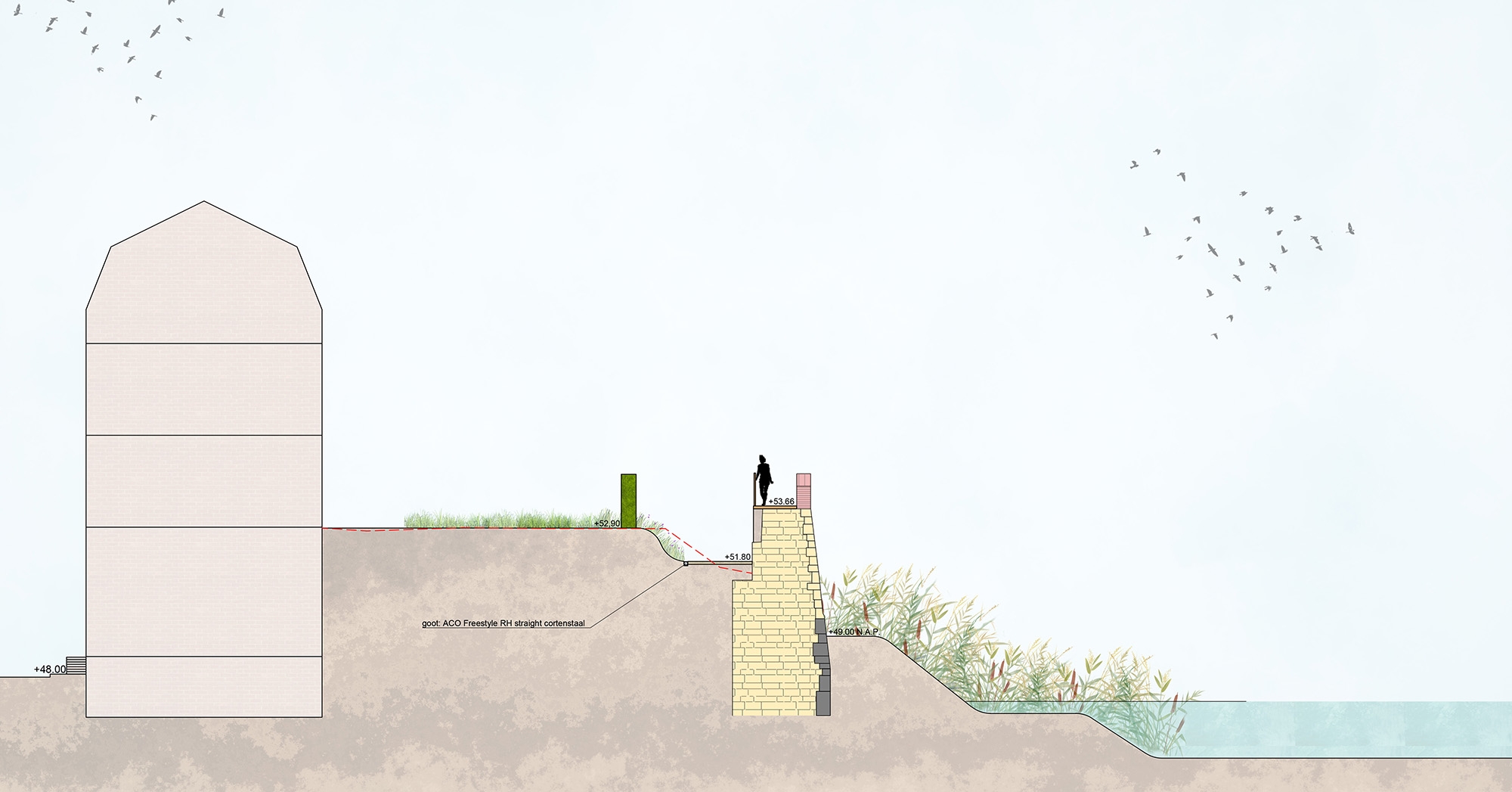
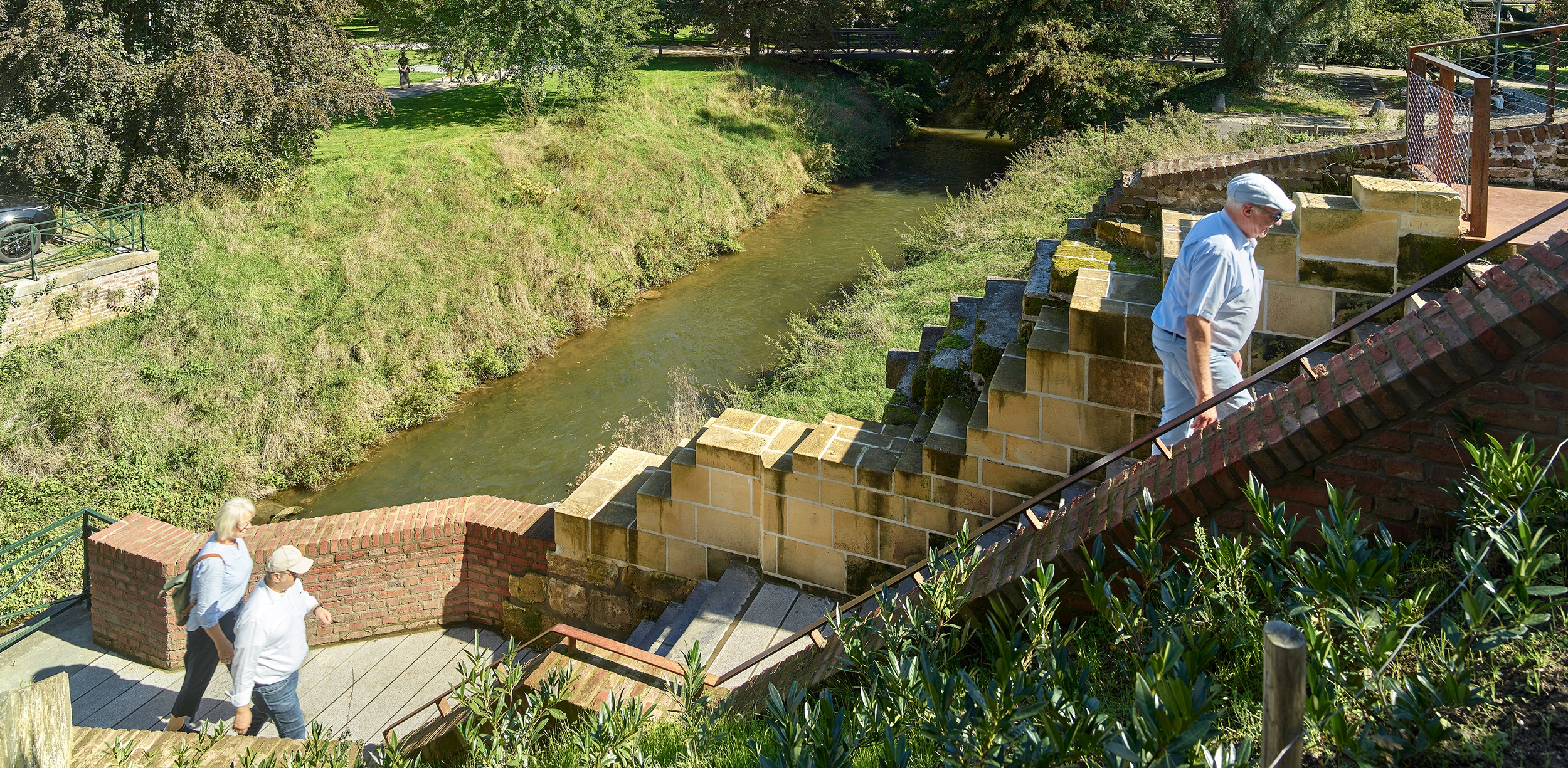
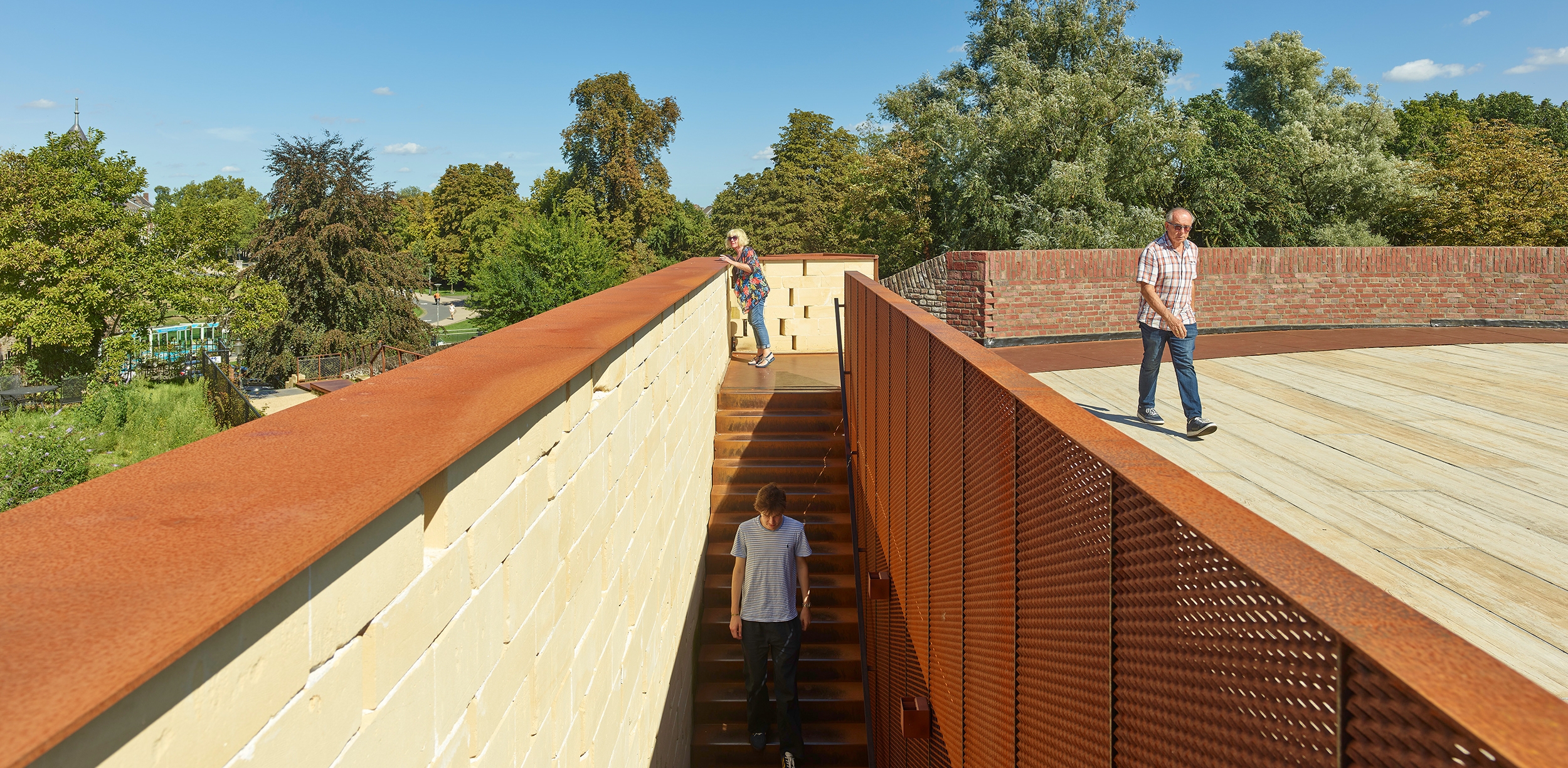
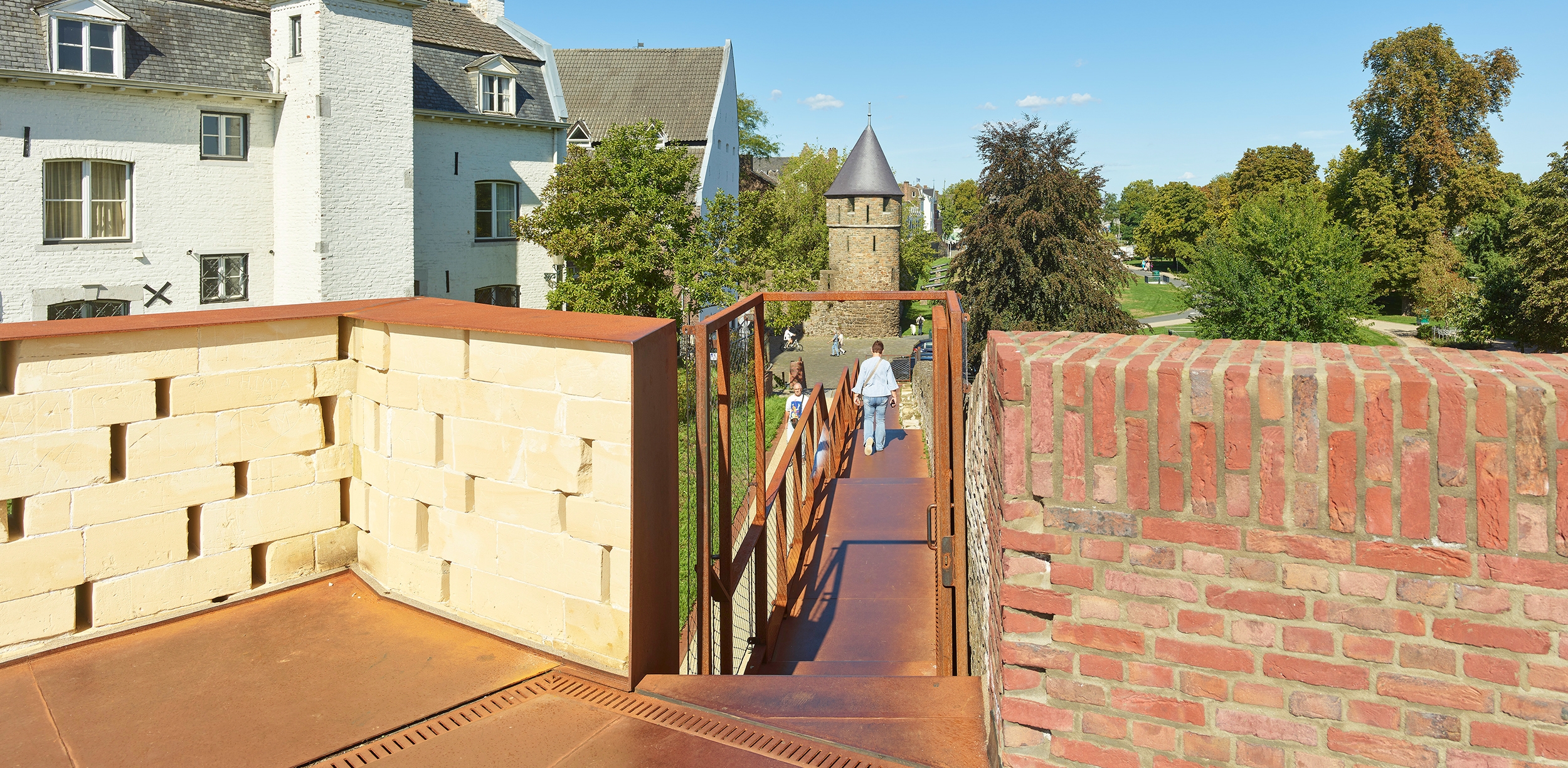
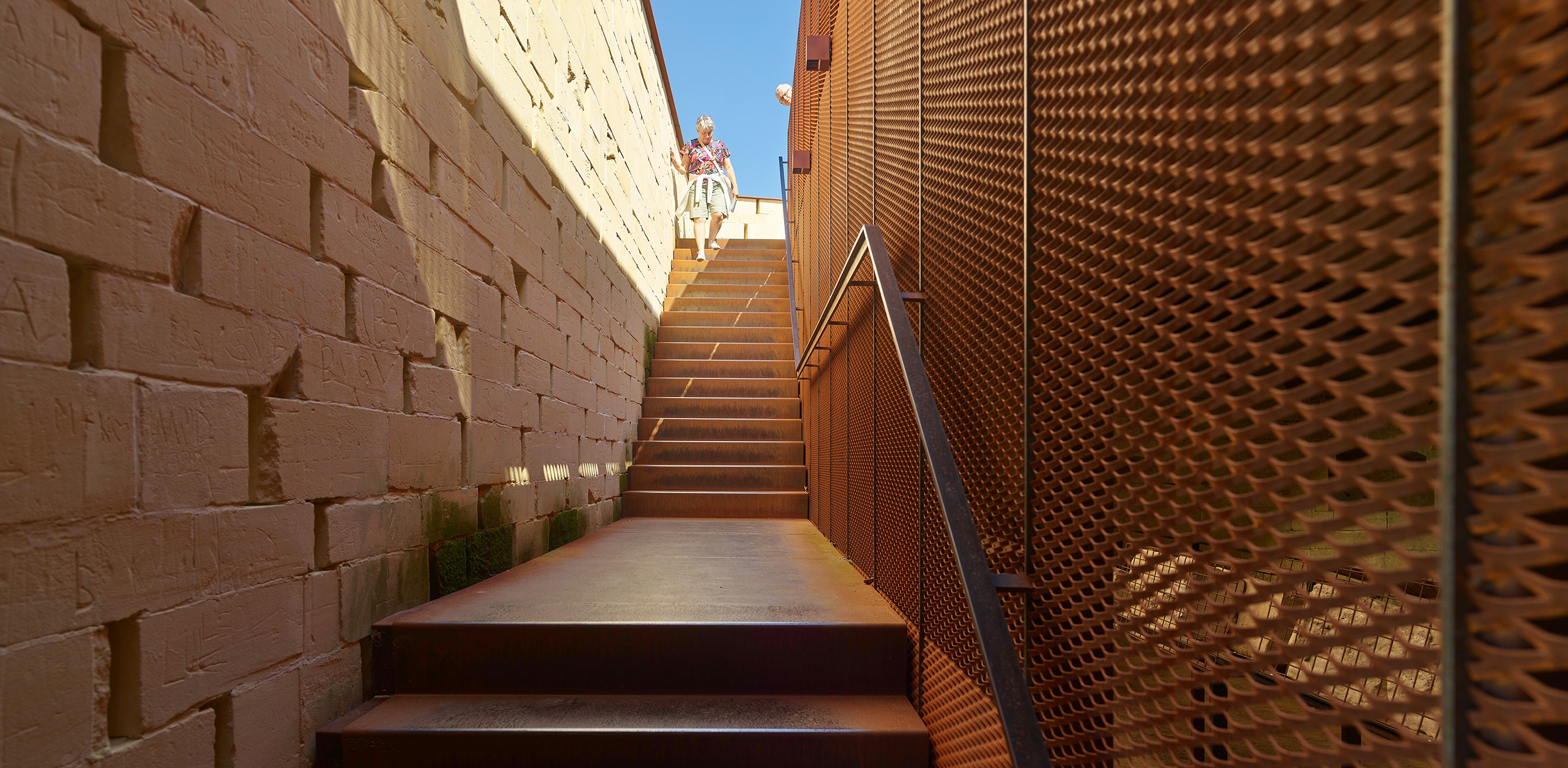
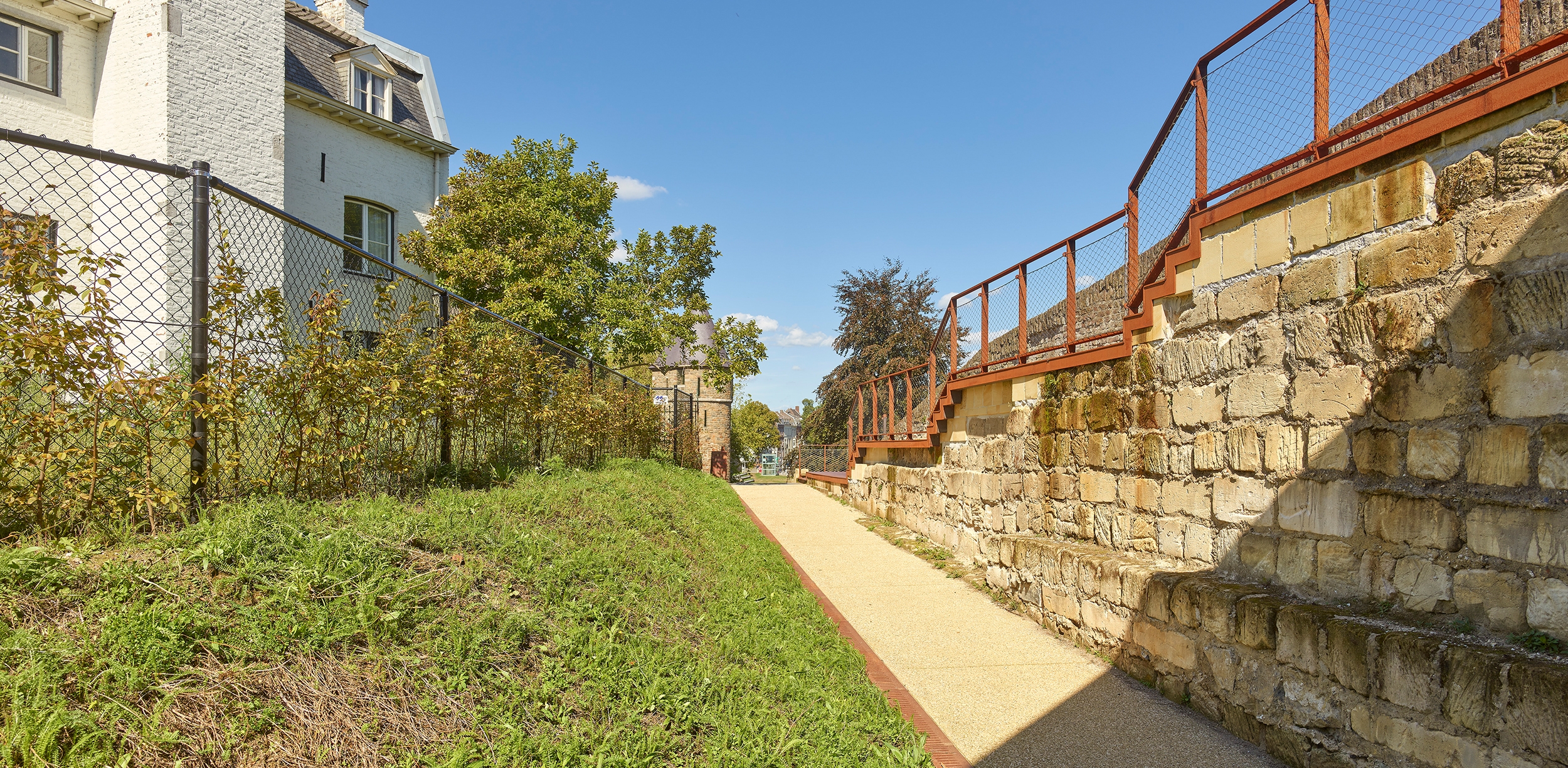
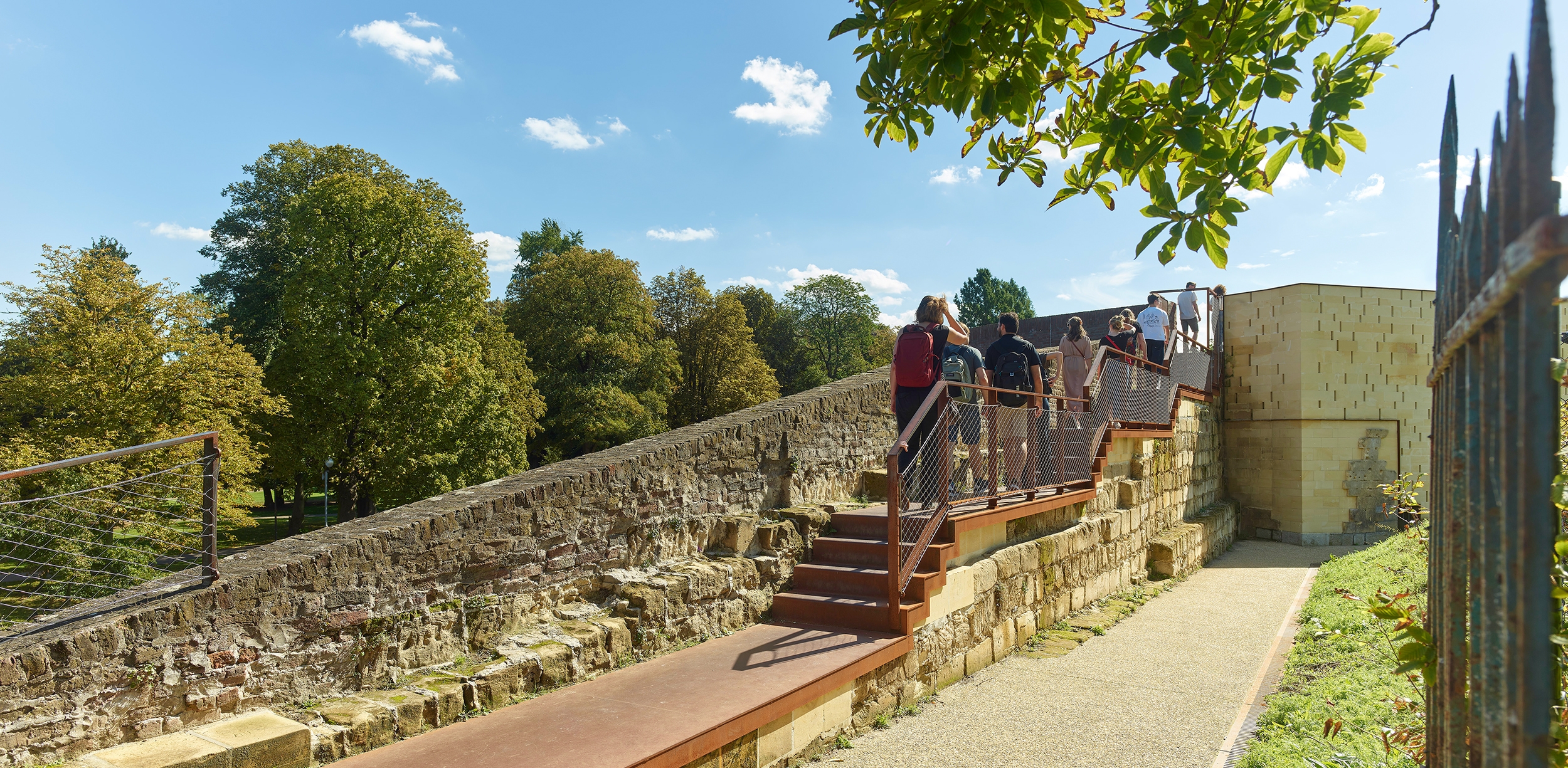
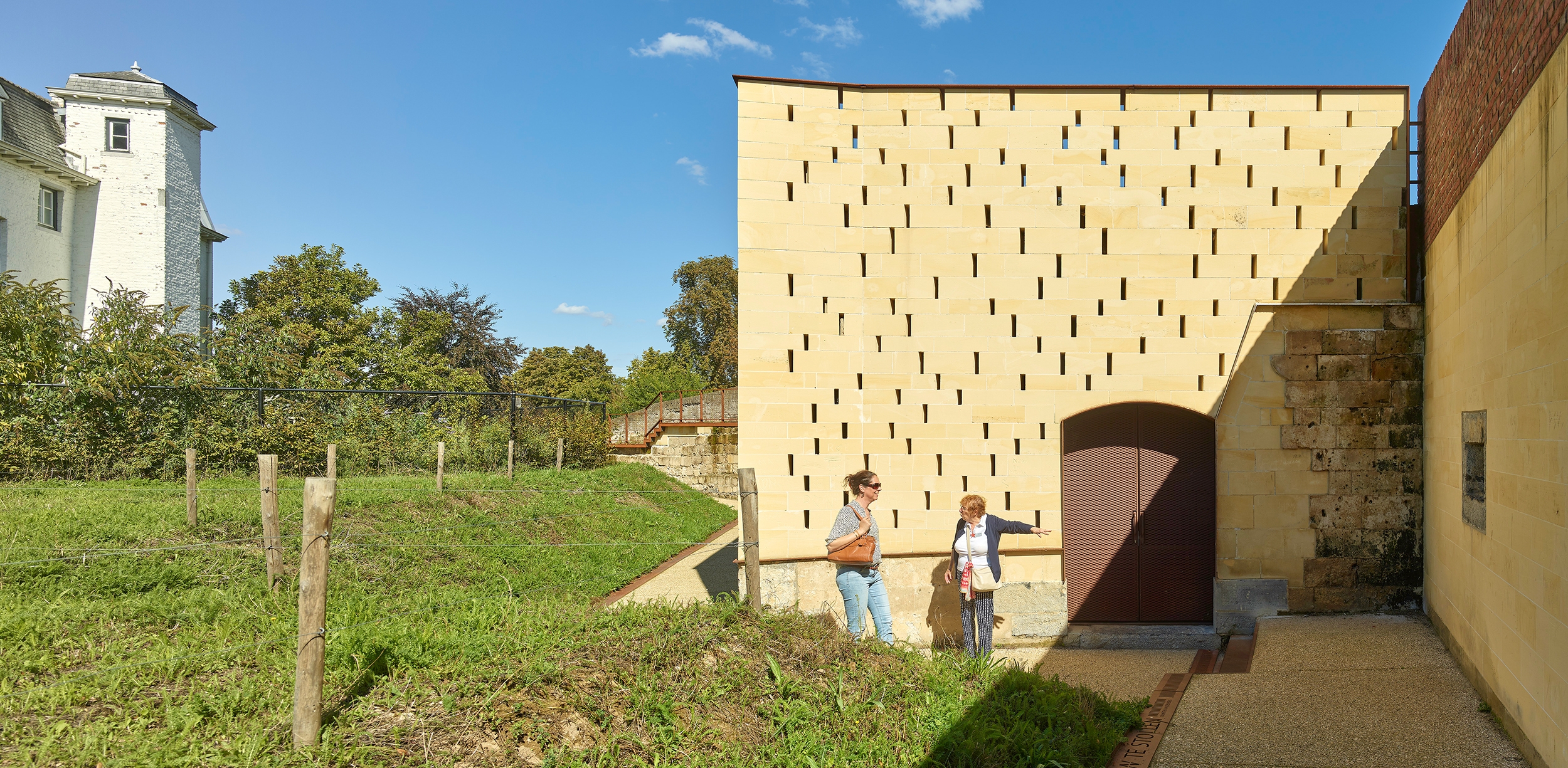
The design aims to restore the original relationship between the 'Haet ende Nijt' and 'Vijf Koppen' bastions, the city wall, the 'Poort Waerachtig' (Waerachtig Gate), and the historic earthen rampart. A key intervention involves lowering the earthen rampart to the level of the sixteenth-century wall walk. This has made the original defensive structure visible once more and created a continuous walking route along the inner side of the city wall, connecting the various monumental elements.
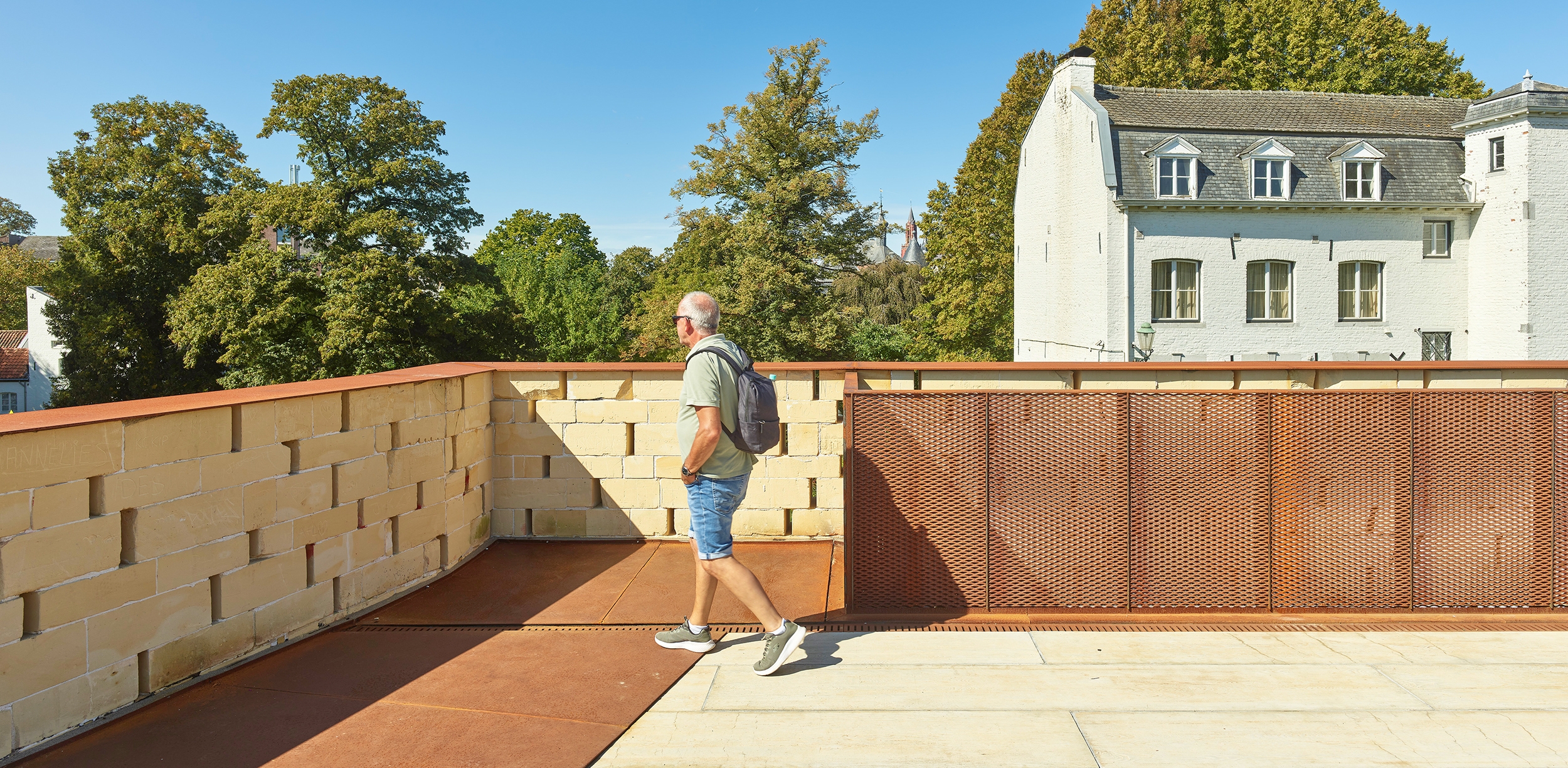
Along this route, the historic loopholes and the relationship between the city wall and the earthen rampart can be experienced anew. At the same time, striking sightlines have been created looking out over the Jeker Valley, the City Park, the Faliezuster Park, and the historic city center.
The earthen rampart has been restored to an open, scenic character and planted with extensively managed, flower-rich grassland. On the outer side, the historic forelands have been reinstated to serve as a natural transition between the city wall and the water. The ecological value of the fortifications has been enhanced through the creation of gently sloping banks and reed vegetation.
The 'De Vijf Koppen' roundel has regained its significance as a vantage point offering views of the city and the surrounding landscape.